“This sparrow flies swiftly in through one door of the hall, and out through another. While he is inside, he is safe from the winter storms; but after an few moments of comfort, he vanishes from sight into the wintry world from which he came.”
Bede, A History of the English Church and People (Penguin Classics)
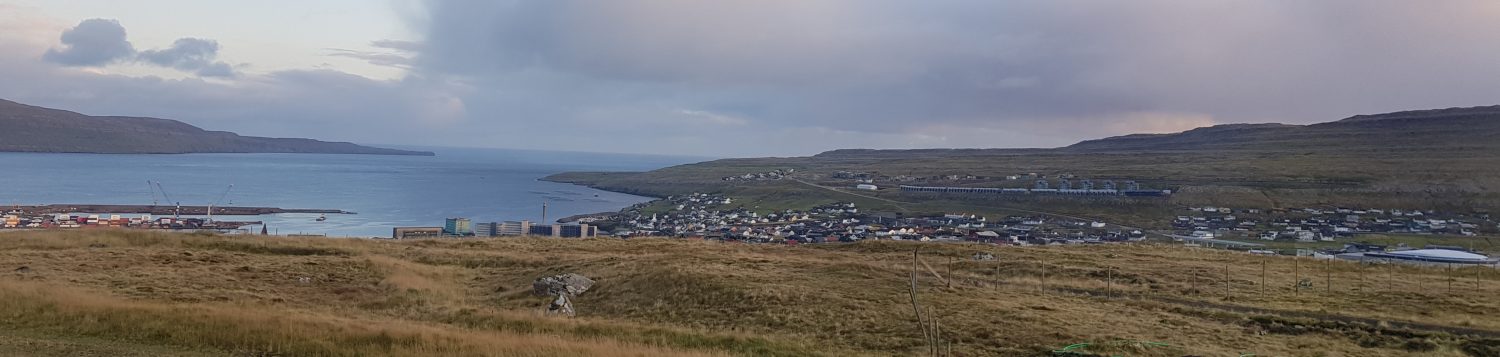
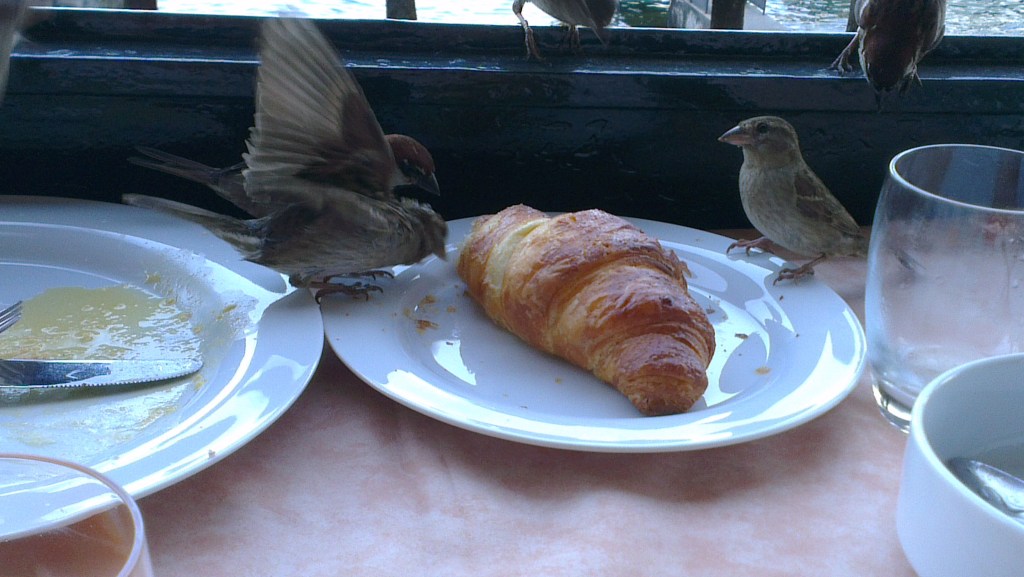
The Italian Lakes in summer are a far cry from a Northumbrian winter, but I was reminded of this quotation from Bede’s History of the English Church and People at breakfast on my first morning in Bellagio, as a sparrow flew through the dining hall. Where the bird was going turned out to be no mystery though. Breakfast was being served on the balcony, and the sparrows were very happy to help themselves to croissant crumbs on our table and even (more worryingly) the remains of a scrambled egg.
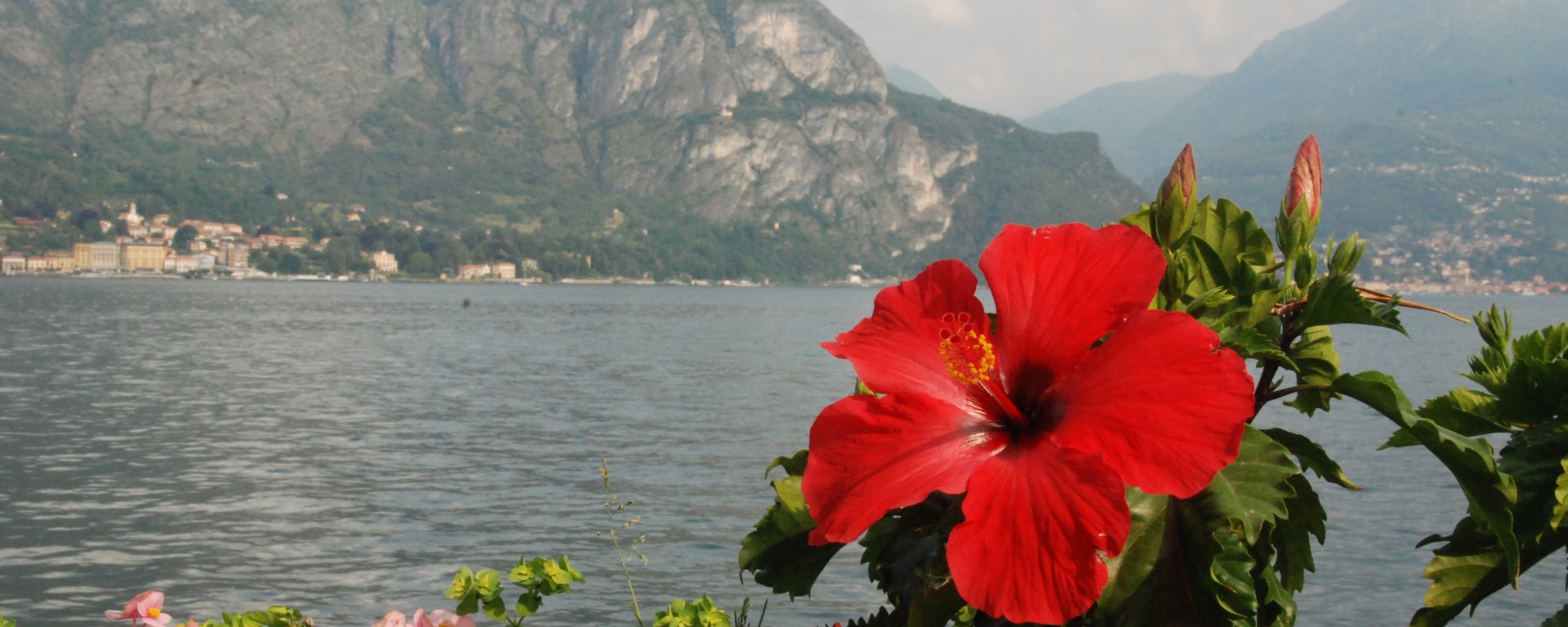
Despite the feathered freeloaders, the balcony of the Hotel du Lac is an excellent vantage point to enjoy breakfast whilst watching the comings and goings of the mid-lake shuttle and plan your next move.
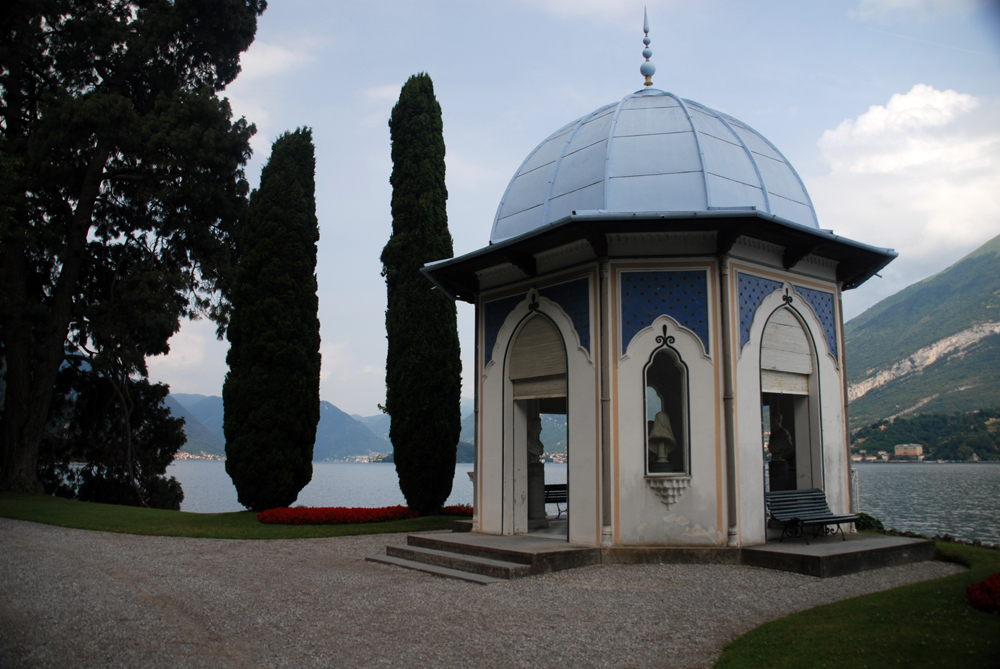
Lake Como is known for its villas and gardens. In Bellagio itself is the Villa Melzi, built between 1808 and 1810 as the summer residence of Francesco Melzi d’Eril (1753-1816), Duke of Lodi, vice president of the Italian Republic under Napoleon. We were too late for the camellias, azaleas and rhododendrons, but the gardens are beautiful, and enhanced by sculptures. The villa itself is not open to the public, but the orangery contains historical artefacts from the Napoleonic period, including a bust of the Napoleon, the keys of Milan and the canons from the first Italian campaign of 1796.
The Villa Serbelloni, also in Bellagio, is a different proposition. The current villa was built by Count Alexander Serbelloni, but he was more interested in horticulture spent most of his energy on the park, visiting Kew Gardens to obtain specimen trees. His sons hated the place eventually sold it to a Swiss-German Hotel Company, who already operated a hotel in Bellagio. The existing hotel was renamed the Grand Hotel Villa Serbelloni, and the villa was used as an annexe. After the financial crash, it was bought in 1930 by Ella Walker, the heiress of a whisky manufacturer (Canadian Club), who had transferred his company to Switzerland in order to beat Prohibition. She restored the park and villa and was also involved in charitable work, along with Prince Della Torre e Tasso, whom she married in later life. After her death in 1959, she bequeathed the villa to the Rockefeller Foundation, with the stipulation that they could not sell it for 1,000 years, must keep the park as it is, and allow tours twice a day. The Foundation use the Villa for conferences on issues including child poverty and the environment and for eminent academics to spend a month on sabbatical. Visitors are advised not to disturb any nesting scholars they might spot tending a manuscript in the studios scattered throughout the grounds.
Right at the top of the hill is a ruined Ostrothic fortress, supposedly built by Theoderic, who was elected king of the Goths in 475. An archaeological dig found remains of a Roman villa beneath, which is believed to have been owned by Pliny the Younger.
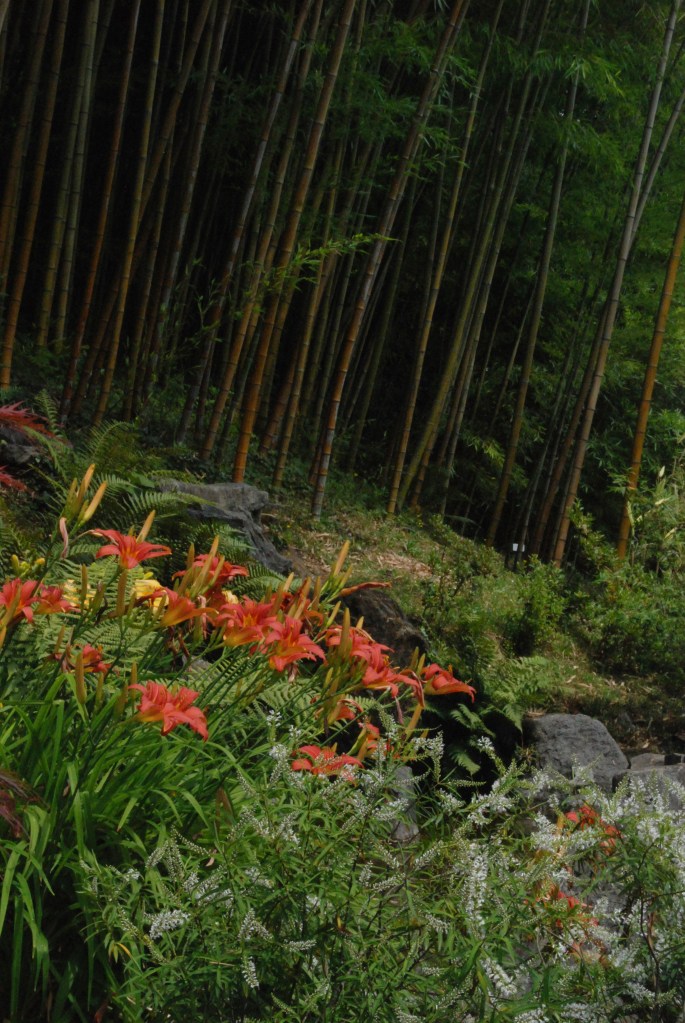
Probably the most famous of Lake Como’s villas is the Villa Carlotta, a short ride from Bellagio to Cadenabbia on the mid-lake shuttle ferry. The villa itself was built at the end of the 17th century for the Clericis, a powerful Milanese family. It was bought in 1801 by Gian Battista Sommariva, a politician, businessman and patron of the arts and became an important stage on the Grand Tour thanks to his collection of art. In the second half of the 19th century Princess Marianne of Nassau bought the villa and gave it as a present to daughter Carlotta on the occasion of her wedding (1850) to Georg II of Saxe-Meiningen. Sadly, Carlotta died in 1855. Georg was a botanist and made many improvements to the park. The extensive gardens include a valley of ferns and a collection of bamboo in a Japanese style garden as well as rhododendrons and camellias. The interior of the villcan be visited. Ten rooms on the ground floor display mainly 19th-century art. On the second floor are furniture from the Saxe-Meiningen period, together with exhibits of modern art.
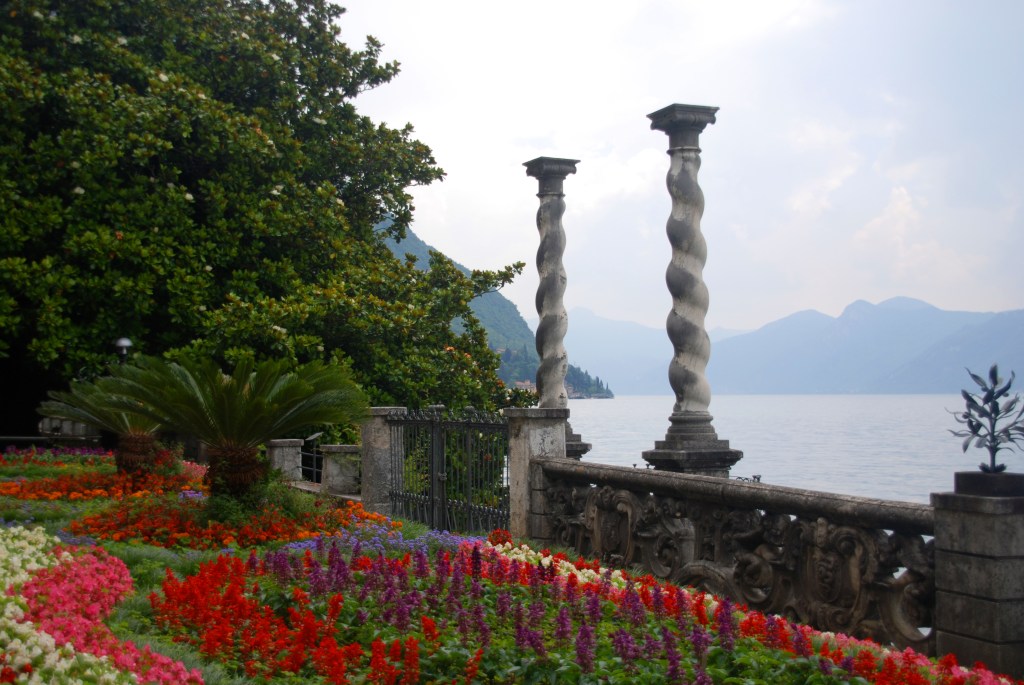
Another short hop on the mid-lake shuttle takes you to Varenna, where there is yet another garden to visit: the Villa Monastero. The villa is used as a conference centre with a summer school, but the grounds are planted with colourful bedding plants, palm trees, citrus trees and yet more camellias.
After a hard day’s garden visiting, Bellagio offers a good choice of excellent restaurants. But do be careful if eating on the terrace: the pigeons can be even more cheeky than the sparrows.
We visited Bellagio in July 2013.
 Travels with me aren't
It sounds lovely here – I’ve always wanted to visit the Italian Lakes but so far not done so. Nice to see Bede popping up too!
LikeLike